Reflexology is a gentle massage spa Kuala Lumpur therapy that uses pressure on points in the feet (and sometimes on the hands and ears) to ease stress. The theory behind it is that those spots correspond to different parts of the body and that pressing on them helps your whole system work better. Some people might think of it as a type of acupuncture or acupressure, but those therapies use points all over the body and aren’t strictly speaking a form of massage.
During a reflexology session, you’ll lie down in a reclining chair or on a table and remain fully clothed. The practitioner will ask questions about your health, diet and lifestyle to help determine which areas of the foot need the most attention. Most sessions last 60 minutes or longer.
The therapist gently smooths a small amount of oil or cream on your feet and begins working on the pressure points in various ways. They might pull on the toes, press into the arch of the foot or manipulate the ball of the foot. Unlike in many other types of massage, talking is usually allowed during a reflexology session. The pressure applied during a reflexology session is often mild to moderate, and the therapist may return to particular pressure points a few times throughout the massage.
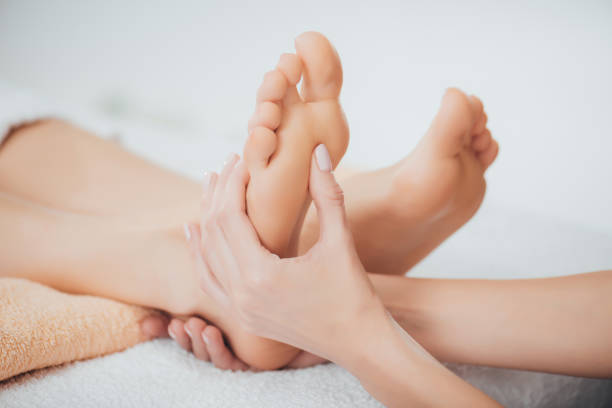
While there are a number of different theories on how the treatment works, most agree that it reduces stress and encourages healing by relieving tension. Reflexology has also been shown to improve blood circulation and lower blood pressure, and some research shows that it can ease pain.
Some people who seek out reflexology treatment report that the Urban Bliss massage make them feel relaxed and more energized. Others say that it can reduce stress, anxiety and depression. Reflexology can be helpful for people who have chronic pain, such as back or neck problems. It can also be helpful for people who have chronic fatigue or insomnia.
Reflexologists are trained in the science of foot and hand therapy. They understand how the body’s energy flows through the feet, hands and ears, and how the different organs of the body interact with each other to create a balanced body. A reflexologist is also familiar with how to identify the sensitive areas of the feet and hands that indicate imbalance or disease in the corresponding body map area, as well as how to work these spots to balance the client’s energy.
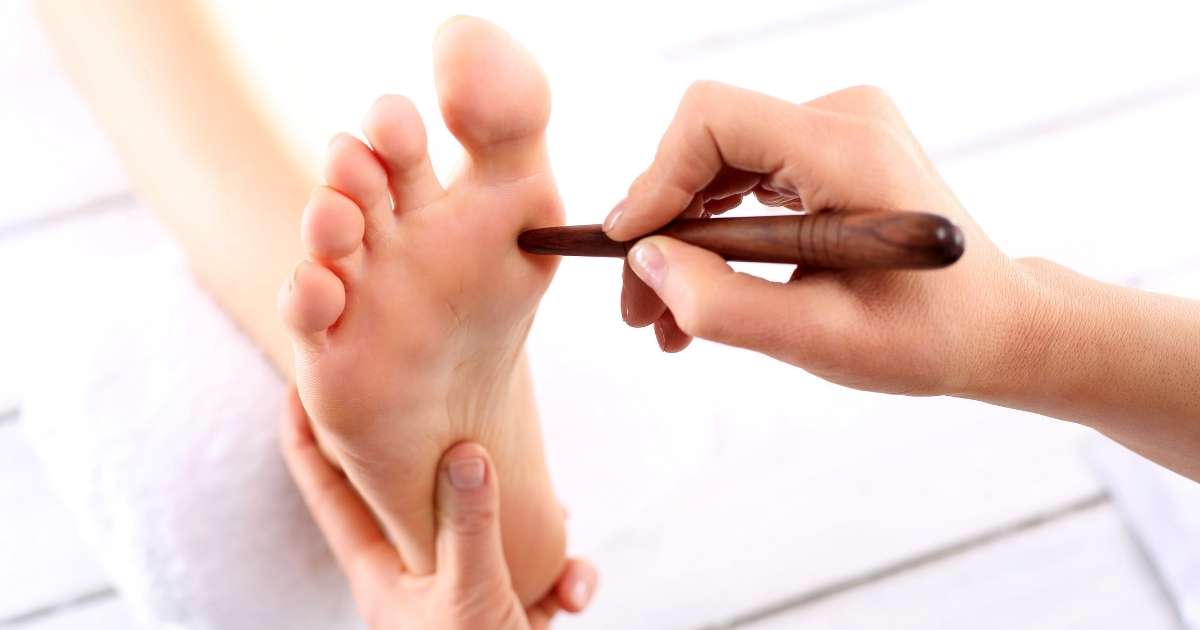
Unlike some massage practitioners, reflexologists have earned a specialization in the field of foot and hand therapy through an accredited training program. The process to become certified can take as little as one day or as long as three years.
People who have gout or diabetes should not receive reflexology because the treatment might cause an adverse reaction. Similarly, people who have open wounds or inflamed leg veins should not undergo reflexology. Those who are pregnant should also let the reflexologist know before the session starts, because some pressure points on the feet can induce contractions.


